
” Arranged marriages aren’t perfect, but neither are love marriages. At least this way, you guarantee that the person you marry has the same background in terms of religion and caste, and you minimize the risk associated with marriage. ” -Selin Mathai
Ansari talks about the radical changes that occurred in the perception of marriage in America during the twentieth century. Prior to the 1960s, marriage was viewed as a search for someone who fulfilled specific roles within a family, such as the “breadwinner” or the “homemaker.” This was known as a companionate marriage, where marriage was based more on developing a family rather than romantic feelings of love. According to Stephanie Coontz, it was more about achieving financial, social, and personal security.
By the 1980s, 86% of American men and 91% of American women said they would not marry someone they were not romantically in love with. Andrew Cherlin labels this form of search as a soulmate marriage, founded on the idea that a perfect love match exists for individuals. This form of marriage has the highest potential for disappointment, because there is a romanticization of an individual that can lead to disappointment later on.
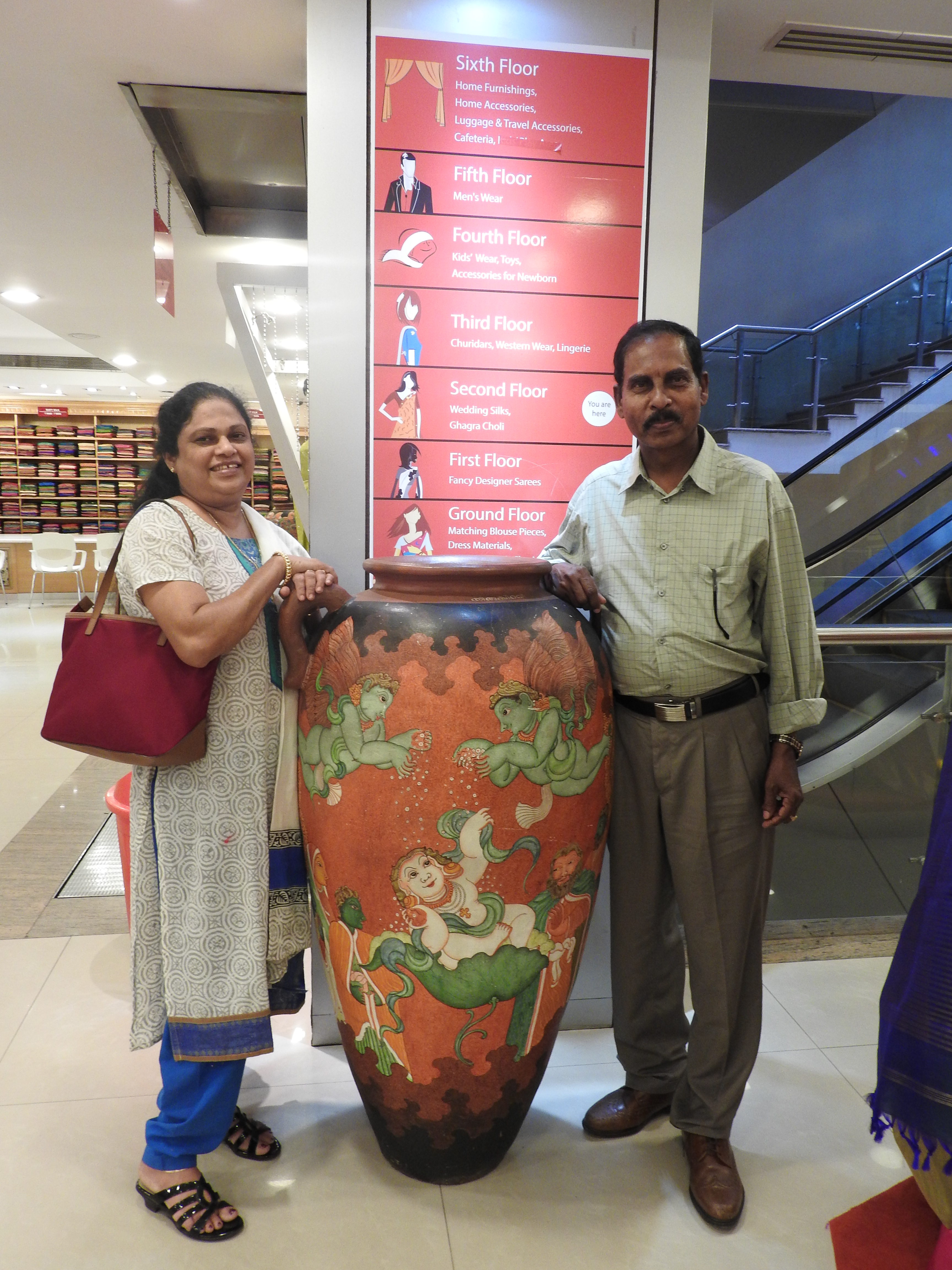
My parent’s search for marriage mirrors that of pre-1960s America. Rather than a search for romantic love, my parents searched for a match that was accepted by their family members. My mom continuously discussed the idea of risk associated with love marriages during her interview. To her, in love marriages, the person is on their own; they choose the person by themselves so they take on the risk all by themselves. In an arranged marriage, the whole family takes on the risk after a careful vetting process, so there is less of a chance that the marriage will end in failure and divorce.
Arranged marriages lead to increased forms of marital homogamy. My parents specifically searched for partners who were similar to them in terms of religious background, social caste, and financial status. This leads to the creation of families that are increasingly homogamous. Love marriages, on the other hand, are less likely than arranged marriages to end in a homogamous relationship because these aren’t specific requirements that are specifically looked for.
In his book, Ansari discusses the influence of new technology on match making and the changes in modern romance. He talks about dating apps and online matchmakers that play the role of the marriage broker and allow people to connect directly. While this gives people the opportunity to find more diverse matches, there isn’t necessarily a decrease in homogamous matches. Like my parents, people tend to gravitate towards individuals they can relate to and are compatible with. Rather than having someone physically go find their match, people in the modern day can find these people with ease through technology.
 The Mathai Family